There’s a little exercise I like to do when I am consuming any type of fictional media. It’s very rare these days that I get a break long enough to enjoy other people’s work, but when I do, I like to analyze story elements within the writing. Now, this is just purely from a writer’s perspective, I could go all day about symbolic imagery film makers use in their work, but that’s a post for another time.
As I’ve gotten old, and further along in my writing career, I’ve noticed two similarities in the storytelling structure of two forms of fiction that are so dear to me growing up: Anime and Wrestling. Now, on paper these two are polar opposites. One is written for animators and voice actors to perform, while the other is a live action 360 degree theatre performance. Each has such unique ways of progressing a story technically, however I’ve started to identify similarities within the two from a story structure standpoint.
A common story note within the two are the use of factions to progress a story line with more than six characters. It’s simply the easiest way to involve multiple unique characters without having the need to necessarily build a deep lore for every single one of them. Notable examples are the Usos in WWE. They are an amazing faction, but them by themselves is less than spectacular. Jimmy Uso has no lore to him, Jey has a little bit, and Solo is nothing more than a modern retelling of the old Umaga character from the Ruthless Aggression era of the WWE. In anime there is no better example than the Z Fighters from Dragonball Z. The decision from the great Akira Toriyama to group the weaker members of his cast into a faction rather than having them forced alongside the main cast was a perfect example of how to use side characters. Characters such as Krillin, Tien, Yamcha, Goten, and Trunks just simply can’t carry the weight of the story as individuals, but as a team, they are perfect for expanding the overall chaos of the troubles the cast as a whole faces.
Now, this doesn’t mean that eventually a side character can’t be moved into a lead role. With Jey Uso in the WWE, he actually had a championship opportunity against the future leader of his faction, The Bloodline, before losing that, and eventually going on to join him. Even now as we start this season of WWE post Wrestlemania, we see Jey still a front figure in the Bloodline/Sami Zayne storyline. In Dragonball Z we see characters all the time get upgrades to their abilities which pushes them up the ranks of the cast. Piccolo is a recent example of a faction based side character making a big push for the spotlight in the newest movie, which I thought was an excellent idea, and a great use of such a foundational character to that franchise.
Another similarity between the two is the age old use of Hero versus Villain story structure. In Wrestling there’s actually technically terms used in the industry to identify the hero and villains of certain storylines. The hero is more commonly referred to as a “Baby Face” and the villain is referred to as a “heel”. Now, the heel term makes sense to me, but I never understood the baby face title, but I’ve never been in the Wrestling industry, so pardon my ignorance. The writing is usually pretty straight forward. The heel is doing some sort of injustice or has personally harmed the baby face kicking off the story line with their clear roles defined. The baby face is most of the time an underdog having to grind their way to the top in order to face off against the heel in an epic conclusion at the next major event show.
In anime, it’s quite clear story wise who the hero and villains are. Your hero is always going to be the main character of the show with the villain being introduced a little ways on. Like Wrestling, the hero will have to grind their way to the top in order to face their villain in an epic conclusion at the season’s end. The final confrontations are usually written as an event within the season to allow most plot points to be resolved for most characters to make way for new stories in the next season. These events are more subtly placed, because unlike Wrestling they don’t have flashy graphics displaying the name of said event with whoever is headlining it. However, if you analyze your favorite anime near the end of the season, it’s quite obvious where major resolution events begin. The most extreme example I can think of is Naruto Shippuden. The resolution arc starts as soon as the final battle of the Great Ninja War begins which ends up being like a 30 episode event.
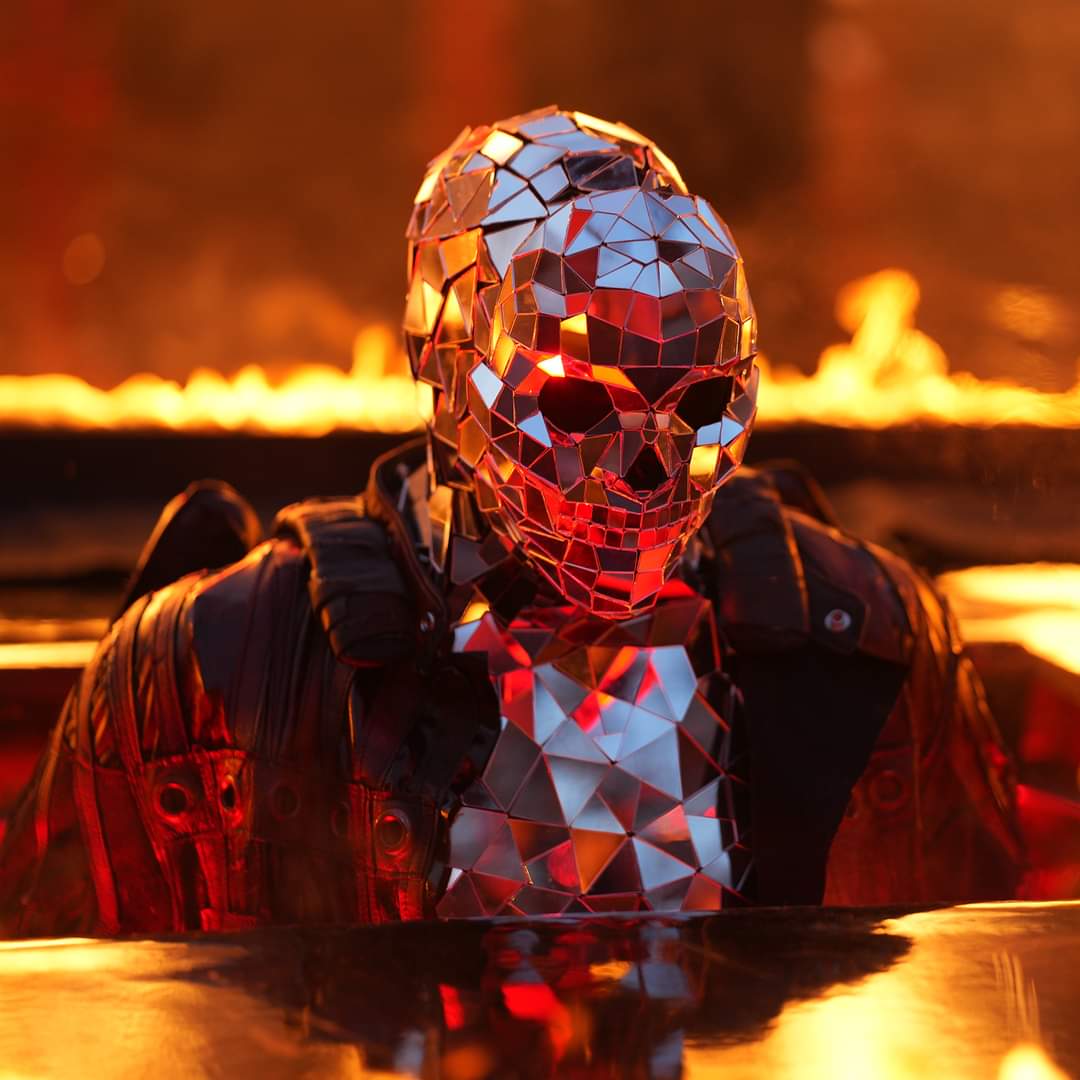
One of the last major crossovers, and honestly most fun in my opinion, is the use of character gimmicks. This is so fundamental to both forms of media that without it? They just simply wouldn’t be what they are today. The list is actually endless is you look at all the unique characters that have come and gone in both the wrestling ring, and the hundreds of anime shows out there. The use of gimmicks allows writers to bring an unrealistic flavor to a character in order to make them more memorable. For example, in WWE my favorite wrestler of all time, Edge, debuted in a faction called The Brood. Again, we see that use of faction building to introduce characters. The Brood was actually a faction that claimed to he vampires, and would enter the ring by rising from flames in an epic visual display of pyrotechnics. The leader of the faction would literally come out with a grail of liquid that looked like blood, and spit it in the air before entering the ring. It was truly epic, and made all three members of the faction stand out. This unique gimmick made two of those three skyrocket to superstar stature, and catapult their careers.
In anime, gimmicks can be placed as either physical or in terms of personality. In Zoids we are introduced to the series’ female lead who’s gimmick is she is a race of ancient people who have the ability to manipulate the robotic Zoid creatures that roam the lands. In My Hero Academia, our main character’s name is Deku which is actually a derogatory name given by the series’ anti-hero. The word Deku actually means “good for nothing” which follows the character’s upbringing as someone who has no super powers in a super powered world He actually accepts the name, and wears it as a badge of honor in this awesome twist on the gimmick. Not many people would adopt a potentially harmful name, so carrying that gimmick is such an awesome change for a main character.
For storytellers like me, it’s very interesting to identify story devices that appear in multiple fictional media. It’s a fun experiment that I would encourage any storyteller to try no matter what your preferred form is. Any of these lessons can be learned and applied to anything you write! While you’re enjoying your favorite TV show, try and pay attention to the actually writing of it, and see if you can compare it to a completely different form of media. You’ll be pleasantly surprised.
John McCool
Photo Credit: WWE

 John McCool